The upper primary years can bring new challenges for children and families. Children may be managing bigger school expectations, changing friendships, homework, sport, routines and growing independence.
Some children seem to hold it together at school, but come home exhausted, upset or overwhelmed. Others may avoid homework, group activities, sport, friendships or new experiences because these things feel too hard.
At MoveAbout, we support children aged 9–12 with a wide range of developmental profiles, including neurodevelopmental, genetic, chromosomal, sensory-motor, learning and intellectual differences. Some children have a formal diagnosis, some are in the process of assessment, and others simply need support to participate more confidently in everyday life.
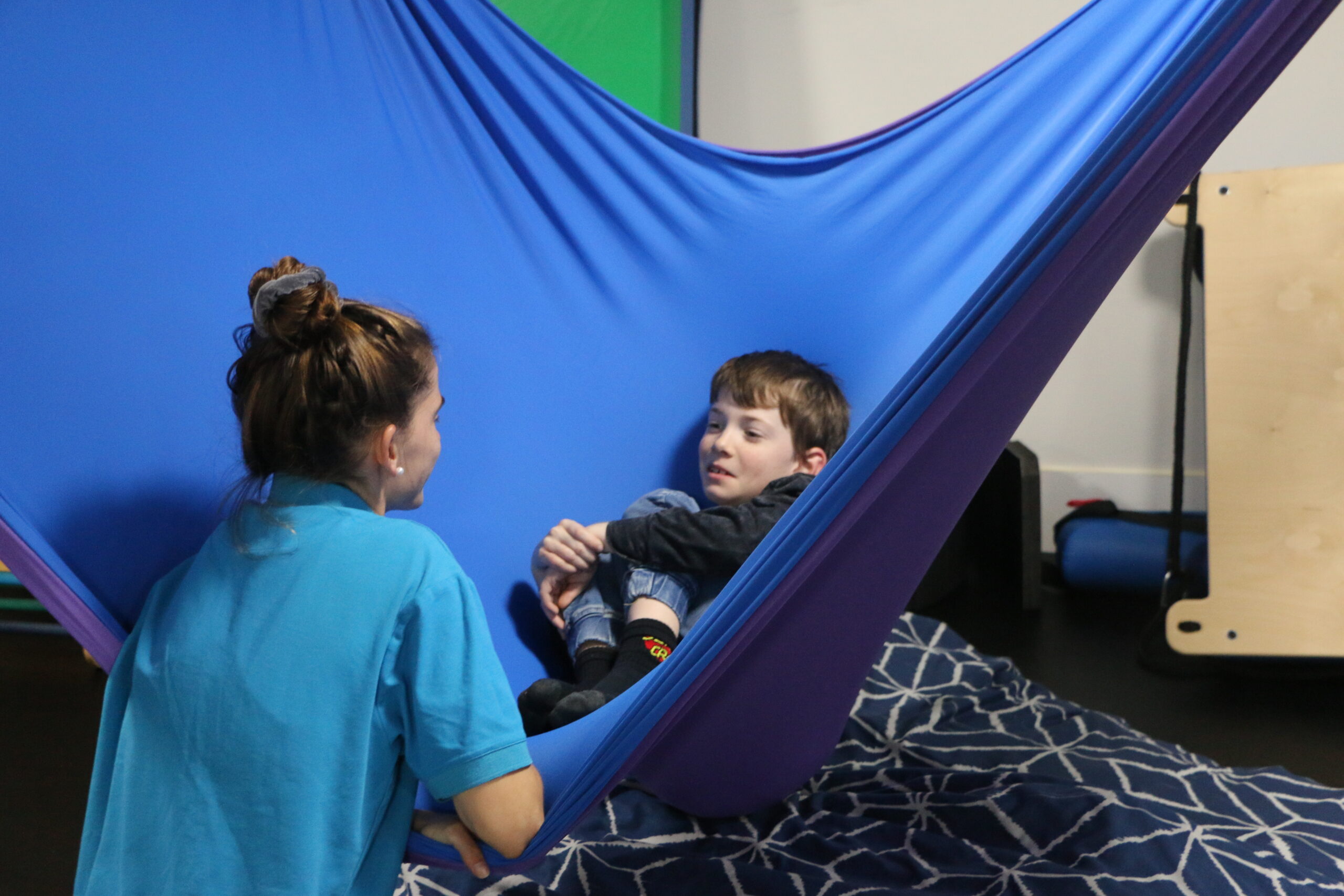
We may be able to help if your child:
- Has big emotions, shutdowns or meltdowns
- Finds homework, routines or getting started difficult
- Struggles with organisation, planning or independence
- Becomes overwhelmed after school
- Avoids sport, clubs, group activities or new experiences
- Finds friendships or group situations tricky
- Has sensory processing differences that impact daily life
- Is preparing for the transition to high school
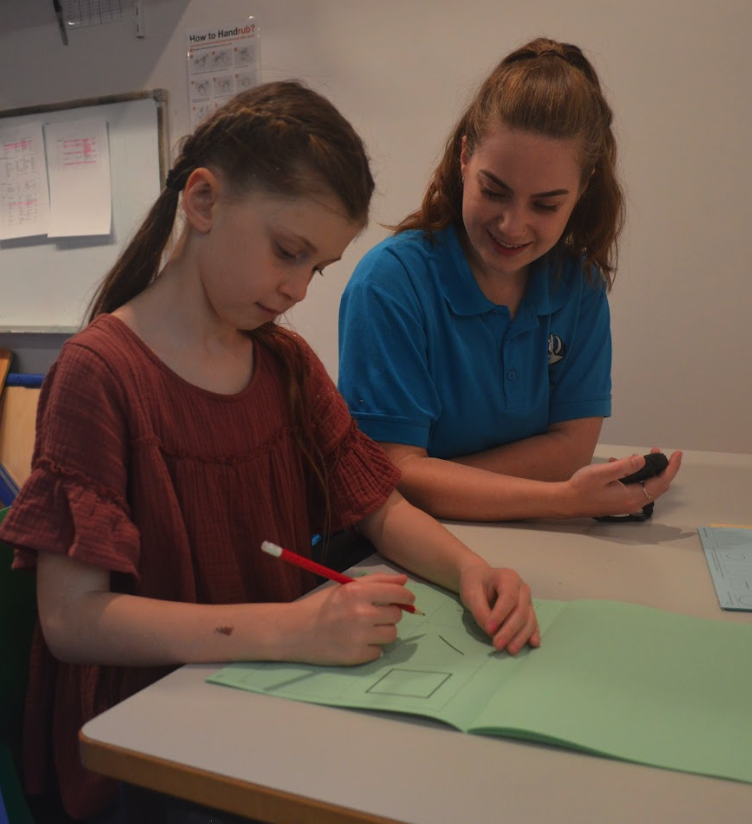
What makes MoveAbout different?
At MoveAbout, we do not see behaviour as something to simply manage or correct. We look underneath the behaviour to understand what the child’s nervous system, environment and skill development may be telling us.
Our approach is:
- Regulation-first
We support children to understand their body, emotions and stress responses before expecting higher-level thinking, problem solving or independence. - Tween-respectful
Children in upper primary are highly aware of how they are perceived. We use approaches that protect dignity, choice and autonomy. - Practical and participation-focused
Therapy is linked to real-life goals: getting through the morning routine, managing homework, joining a group, coping with mistakes, participating in sport, or feeling more confident at school. - Family-centred
We support parents and caregivers to understand what is happening underneath the surface, reduce power struggles, and build realistic strategies for home. - School-aware
Where appropriate, we collaborate with teachers and learning support teams to support environmental fit, participation and reasonable adjustments.
Ready to get started?
If your child is aged 9–12 and everyday life is feeling harder than it should, contact MoveAbout to talk about whether occupational therapy may be the right fit.
Want to learn about how we support other age groups?
GET IN TOUCH